Tennessee
Responsible Gambling in Tennessee: Tools and Help Resources
 Written by Daniel Reeves, Lead Casino Analyst · Updated July 30, 2026
Where to Get Help in Tennessee, First
If you are reading this because gambling has stopped being fun, the number you want is the Tennessee REDLINE: 1-800-889-9789. You can call or text it. It is free, confidential, staffed 24 hours a day every day of the year, and run through the Tennessee Department of Mental Health and Substance Abuse Services. It will refer you to treatment near you.
The Gambling Clinic at the University of Memphis provides Tennessee-specific assessment and treatment for problem gambling and for family members affected by it.
Nationally, 1-800-GAMBLER is also free and confidential around the clock.
Everything else on this page is about staying in control before it gets to that point.
Treat It as Entertainment Spending
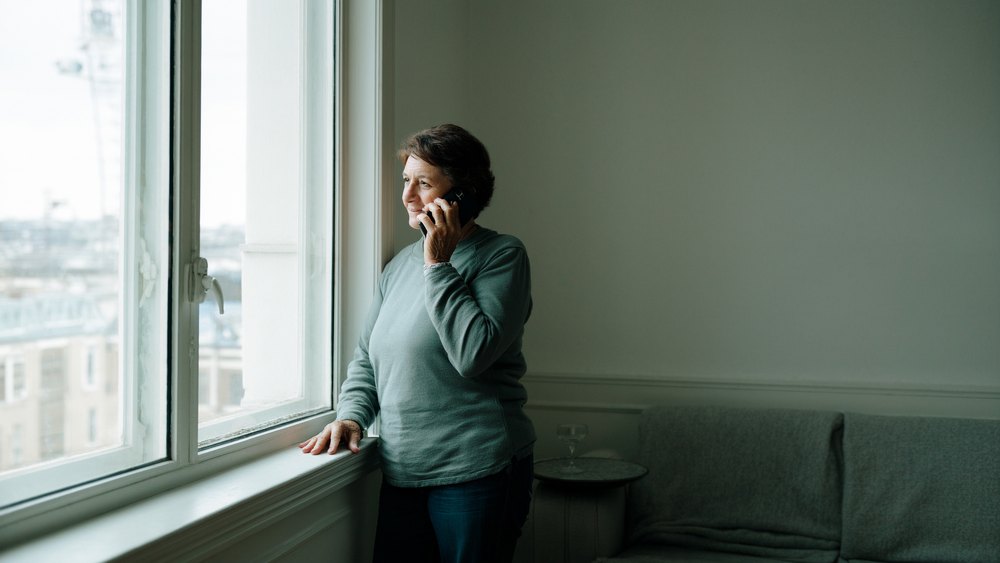
The single most useful mental shift is to stop thinking of a gambling balance as an investment that should come back and start thinking of it as money spent on an evening out. If the amount you deposit this month would hurt to lose, it is too much — not because you will definitely lose it, but because the size of it will change how you play when you are behind.
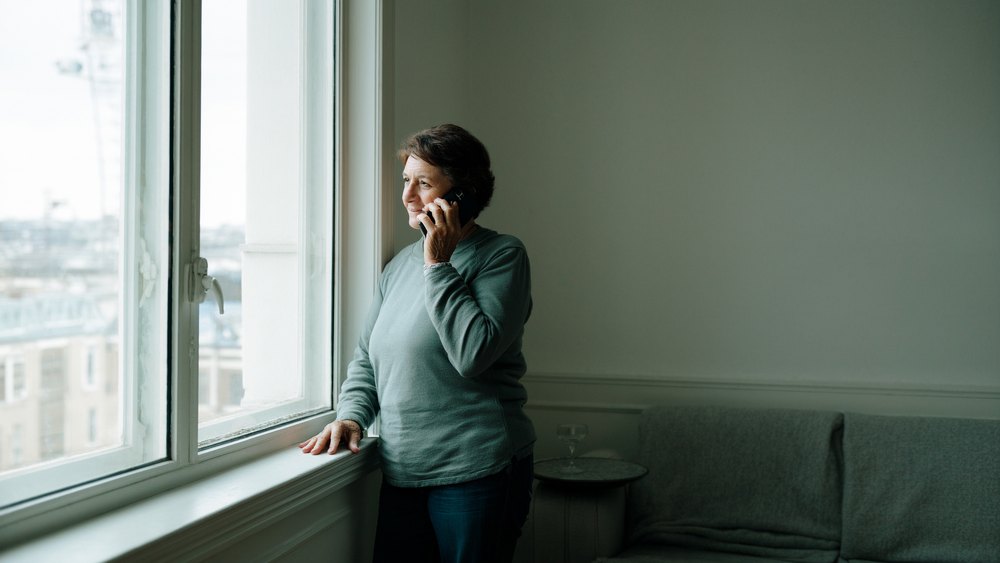
Decide the number before you open the site, not while you are in it.
Deposit, Loss and Session Limits
Every reputable operator gives you three tools, and they are the ones worth using because they bind your future self rather than relying on willpower in the moment.
Deposit limits cap how much you can pay in per day, week or month. Set this one first. It is the hardest limit to work around and the most effective.
Loss limits stop play once you are down a set amount in a period. This is the one that interrupts chasing, which is where most real damage happens.
Session limits and reality checks either log you out after a set time or interrupt with a reminder of how long you have been playing and where you stand. Unglamorous, and it works.
On most sites these live under Account, then Responsible Gaming or Limits. Increases usually take effect only after a cooling-off delay; decreases apply immediately. That asymmetry is deliberate and it is on your side.
Cool-Off and Self-Exclusion
A cool-off or time-out locks your account for a short defined period — typically 24 hours up to six weeks — and then reopens it automatically. It is the right tool for a bad week rather than a bad pattern.
Self-exclusion is longer and more serious: six months, a year, five years, or permanent, and it cannot be reversed early by asking nicely. That irreversibility is the point.
Two Tennessee-specific notes. For licensed sports betting, the Tennessee Sports Wagering Council operates a statewide voluntary self-exclusion programme that covers every licensed sportsbook at once — one request, all operators. For offshore casinos, there is no equivalent statewide mechanism, because those operators are not licensed by Tennessee. You have to self-exclude with each operator individually, which is a genuine gap you should know about. If you need a hard stop, pair operator-level self-exclusion with blocking software such as Gamban or BetBlocker, which works at the device level regardless of where a site is licensed.
Warning Signs Worth Taking Seriously
Gambling money you had set aside for something else. Depositing again immediately after a loss to win it back. Playing longer or larger than you meant to, repeatedly. Lying about how much you have staked, or how often. Feeling irritable or restless when you cannot play. Borrowing to gamble, or selling something to fund it. Gambling to escape stress, boredom or low mood rather than for entertainment.
One of these on a single occasion is a bad night. Several of them recurring is a pattern, and the REDLINE exists precisely so you do not have to work out which it is on your own.
A Note on Tennessee's Credit-Card Rule
Tennessee is the only state that bans credit-card deposits for licensed sports betting, specifically to stop people gambling on borrowed money. Whatever you think of the policy, the reasoning behind it is sound and worth adopting voluntarily: fund gambling from money you already have, never from credit. Offshore casinos are not covered by that rule, so the discipline has to come from you.
Protecting People Around You
The legal age in Tennessee is 21. Keep account credentials and payment methods off shared devices, use device-level parental controls where children have access, and never let someone else play on your verified account — apart from the harm, it will void withdrawals at every operator we cover.
If someone else's gambling is affecting you, the REDLINE takes calls from family members too. You do not need the gambler's permission to ask for advice.
Frequently Asked Questions
What is the gambling helpline in Tennessee?
The Tennessee REDLINE, on 1-800-889-9789. You can call or text. It is free, confidential and available 24 hours a day, 365 days a year, through the Tennessee Department of Mental Health and Substance Abuse Services.
How do I set deposit limits on a casino account?
Open Account, then Responsible Gaming or Limits, and set a daily, weekly or monthly deposit cap. Reductions apply immediately; increases only take effect after a cooling-off delay. Set the deposit limit before the loss limit — it is the harder one to circumvent.
Can I self-exclude from all Tennessee gambling sites at once?
For licensed sports betting, yes — the Tennessee Sports Wagering Council runs a statewide voluntary self-exclusion programme covering every licensed sportsbook. For offshore casinos there is no statewide list, because Tennessee does not license them; you must self-exclude with each operator, and blocking software like Gamban or BetBlocker is worth adding.
What is the difference between a cool-off and self-exclusion?
A cool-off is short — a day to a few weeks — and lifts automatically. Self-exclusion runs six months to permanent and cannot be reversed early. Use a cool-off for a bad run and self-exclusion for a pattern.
How old do you have to be to gamble in Tennessee?
21. That applies to licensed sports betting and to every offshore casino we list.
Where can I get treatment for gambling addiction in Tennessee?
Start with the REDLINE on 1-800-889-9789, which refers to local services. The Gambling Clinic at the University of Memphis offers Tennessee-specific assessment and treatment, including support for affected family members.
What are the warning signs of a gambling problem?
Chasing losses with immediate re-deposits, gambling money meant for something else, playing longer or larger than intended, hiding the extent of it, restlessness when you cannot play, borrowing to gamble, and gambling to escape low mood rather than for fun.
Can I get help if it is a family member gambling, not me?
Yes. The Tennessee REDLINE takes calls from family members and The Gambling Clinic supports affected relatives. You do not need the gambler's involvement to get advice for yourself.
Daniel Reeves
Daniel Reeves is the lead casino analyst at Kingstown Casinos, where he has spent the last decade pressure-testing offshore real-money casinos that accept U.S. players. He covers the states where players have no licensed online casino to fall back on — Maryland, with its six retail venues and no online licence, and Tennessee, which licenses no casino of any kind. His reviewing method is built around the questions those players actually ask: Will my deposit clear? How fast does a crypto withdrawal really land? And are the wagering terms behind that headline bonus fair or a trap? He funds real accounts, completes full KYC checks, plays through bonuses with his own money, and times every payout before a single brand earns a place on a toplist.